





How do solar inverter manufacturers handle after-sales service?
- 1. What are the most common issues faced by solar inverters, and how can they be prevented?
- 2. How do solar inverter manufacturers handle after-sales service?
- 3. What factors should be considered when selecting a solar inverter manufacturer?
- 4. How can I ensure my solar inverter operates efficiently over time?
- 5. What are the signs that my solar inverter may be failing?
- 6. Are there any cybersecurity concerns with solar inverters?
1. What are the most common issues faced by solar inverters, and how can they be prevented?
Solar inverters are crucial for converting direct current (DC) from solar panels into alternating current (AC) for household use. Common issues include:
Overheating: Inadequate ventilation or high ambient temperatures can cause inverters to overheat, leading to reduced efficiency and potential failure. To prevent this, ensure your inverter is installed in a well-ventilated area away from direct sunlight.
Installation Faults: Improper installation can result in electrical isolation faults, posing safety risks and affecting performance. It's essential to hire certified installers and verify that all connections are correctly made.
Component Degradation: Over time, components like capacitors can degrade, leading to system inefficiencies. Regular maintenance and timely replacement of worn-out parts can mitigate this issue.
2. How do solar inverter manufacturers handle after-sales service?
After-sales service is vital for maintaining the performance and longevity of your solar power system. Reputable manufacturers typically offer:
Warranty Coverage: Standard warranties range from 5 to 10 years, covering defects in materials and workmanship. Some manufacturers provide extended warranties for added peace of mind.
Technical Support: Access to knowledgeable support teams who can assist with troubleshooting, firmware updates, and system optimization.
Maintenance Services: Scheduled maintenance and prompt response to service requests to ensure optimal system performance.
3. What factors should be considered when selecting a solar inverter manufacturer?
When choosing a manufacturer, consider the following:
Product Quality: Assess the reliability and efficiency of the inverters offered.
Warranty Terms: Review the length and coverage of warranties to ensure they meet your needs.
Customer Support: Evaluate the responsiveness and expertise of the manufacturer's support team.
Reputation: Research customer reviews and industry reputation to gauge overall satisfaction.
4. How can I ensure my solar inverter operates efficiently over time?
To maintain efficiency:
Regular Maintenance: Schedule periodic inspections and cleanings to prevent dust buildup and ensure optimal performance.
Monitor Performance: Utilize monitoring tools to track system performance and identify issues promptly.
Firmware Updates: Keep the inverter's firmware updated to benefit from the latest features and improvements.
5. What are the signs that my solar inverter may be failing?
Indicators of potential failure include:
Unusual Noises: Buzzing or humming sounds may indicate internal issues.
Error Codes: Persistent error messages on the display panel.
Reduced Energy Output: A noticeable decrease in energy production.
6. Are there any cybersecurity concerns with solar inverters?
Yes, solar inverters connected to the internet can be vulnerable to cyberattacks, potentially allowing unauthorized access to system settings and data. To mitigate risks:
Firmware Updates: Regularly update firmware to patch known vulnerabilities.
Network Security: Implement strong network security measures, such as firewalls and secure passwords.
Manufacturer Support: Choose manufacturers that prioritize cybersecurity and provide timely updates.
In conclusion, selecting a reputable solar inverter manufacturer and understanding their after-sales service offerings are crucial steps in ensuring the efficiency and longevity of your solar power system. Regular maintenance, monitoring, and staying informed about potential issues can help you maximize your investment.
For a personalized quote or more information, please contact us at info@csinverter.com or visit our website at www.csinverter.com.


Modified Sine Wave Inverters
Does the UPS function require additional mains connection?
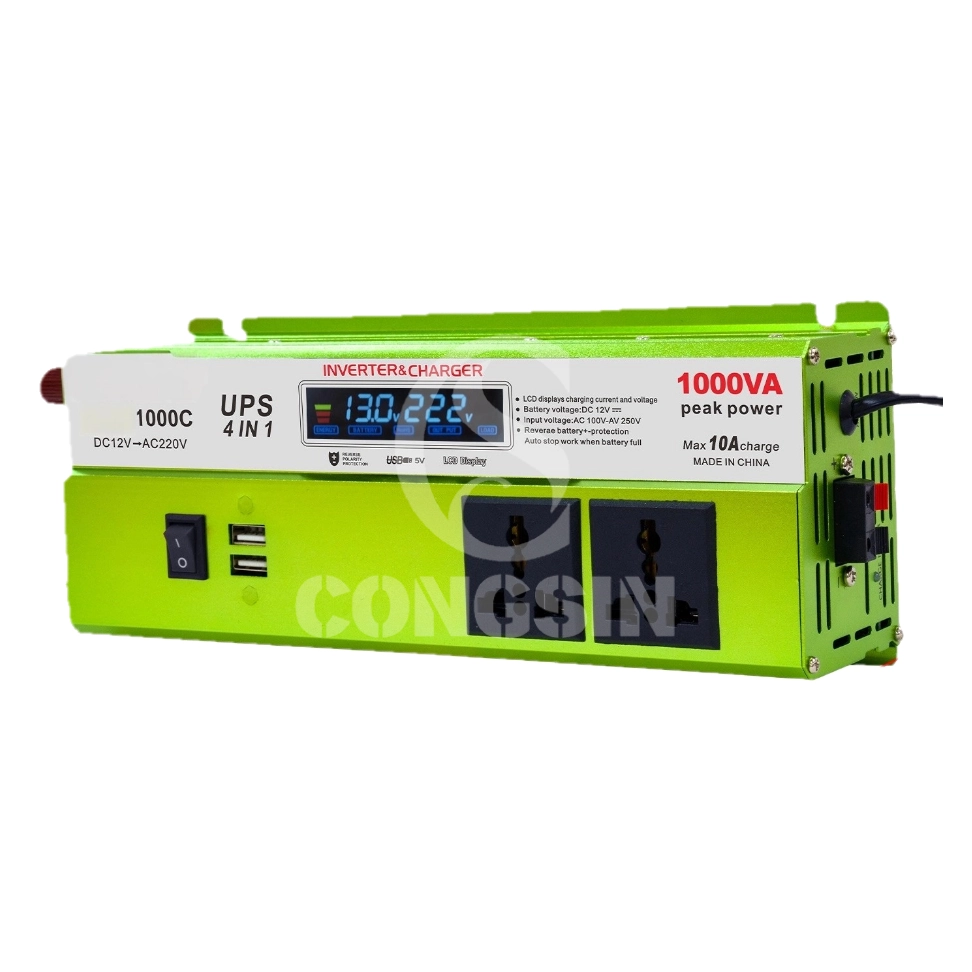
Yes. The inverter needs to be connected to a home/office socket via the included mains cable, and the device will automatically detect the mains status; when the mains power is interrupted, it will switch to battery power immediately.
Can I customize the color and logo?
Yes, OEM/ODM customization is supported.
Can it be connected to a battery long-term?
Yes, ensure good ventilation to avoid overheating.
Distributor
Do I need to carry inventory?
We offer flexible inventory options based on your market needs, and we can assist with supply chain management.
Pure Sine Wave Inverters
Is the remote control standard?
It’s optional and available upon request.
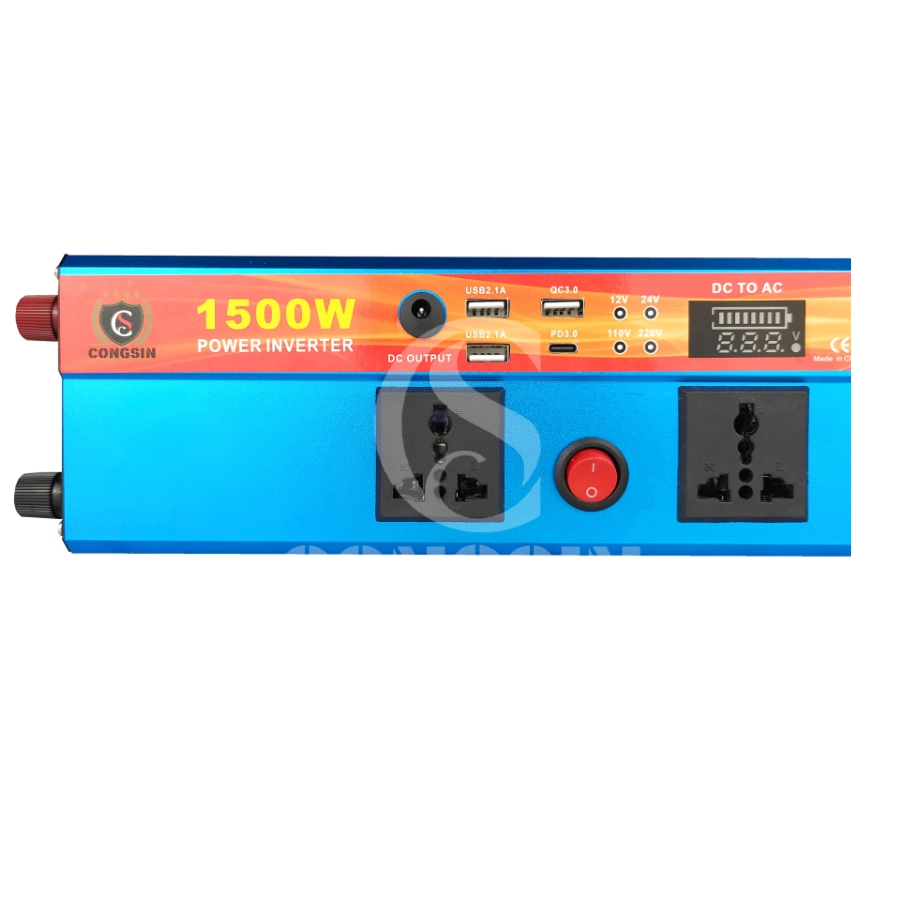
Our CS1000DDBC 1000W modified sine wave inverter is a professional power conversion device that converts DC 12V from batteries into AC 220V electricity. It is designed with user convenience in mind, featuring an LED display for real-time status monitoring, multiple charging ports (3 USB, 1 Type-C, 1 DC 12V) and two universal sockets to power a wide range of devices simultaneously. Its compact size (250×95×55mm) and lightweight design (NW: 0.84kg) make it easy to carry, ideal for outdoor activities, emergency home use, and on-the-go power needs.
Get in Touch with Our Team
You can also communicate with us directly through our online contact form. Please fill in the following information, and our team will contact you as soon as possible after receiving your message.

CONGSIN is a trusted OEM factory for power inverters, solar charge controllers, and DC converters. Reliable solutions for global B2B buyers.
 High Quality
 7/24 Service
 Guaranteed Warranty
© 2025 Congsin. All Rights Reserved.